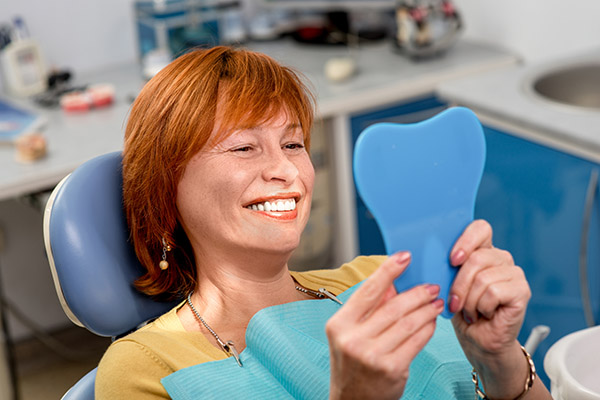
 Periodontists treat issues related to the supporting structures of teeth (i.e. the gums and jawbone). This notably includes gum disease, which affects approximately 47 percent of adults over the age of 30 (according to the CDC). This review is designed to help you learn about gum disease so that you can better prevent and detect it at home.
An explanation of gum disease from a periodontist
Gum disease is a leading cause of many oral health problems, including the loss of teeth. The good news, however, is that most cases are preventable through good oral hygiene and regular visits to a dental professional for cleaning. The following is a detailed discussion of gum disease from a periodontist.
What is gum disease?
Gum disease, also called periodontal disease, is a common oral health concern that develops when the gums are constantly under attack by bacteria, which can be found in large numbers in plaque and tartar build-up. There are two levels of severity in the realm of gum disease, which are gingivitis and periodontitis; the latter is more severe and could put the long-term health of teeth in jeopardy.
What are the symptoms of gum disease?
As mentioned, there are different levels of severity for gum disease. In the early stages, the symptoms are usually minor, such as tender gums and mild gum swelling. The gums may begin to bleed when brushed, although this is not always the case in the early stages of gum disease. As the disease progresses, the symptoms worsen, specifically as periodontitis develops. The symptoms of periodontitis include gum swelling, bleeding gums, deep gum pockets, gum recession, and bone loss in the jaw.
How can a periodontist treat gum disease?
The recommended treatment solution depends on the severity of the gum disease. Most patients can help reverse the effects of gingivitis with a routine dental cleaning procedure and healthy oral care changes at home. For periodontitis, a gum disease procedure known as scaling and root planing (deep dental cleaning) may be recommended. This involves removing plaque and bacteria beneath the gum line that is contributing to periodontitis. After treatment, the periodontist can help the patient turn their focus to the prevention of gum disease in the future.
Tips from a periodontist on gum disease prevention
The two primary factors that impact periodontal health are your oral care routine and diet. Foods and drinks that are high in carbohydrates (e.g. sugar) can contribute to the onset of gum disease. Of course, following the periodontist's instructions for oral care are important, which should include brushing and flossing regularly and using an antibacterial mouthwash as often as is recommended by the periodontist.
Call our periodontist’s office today for more information
If you have symptoms of gum disease or have a referral for gum disease treatment (or treatment for another periodontal concern), then contact our periodontist today by phone or message to schedule a visit. We are more than happy to answer your questions and assist you with your treatment needs.
Request an appointment or call Berkeley Periodontics and Dental Implants at 908-491-3201 for an appointment in our Berkeley Heights office.
Related Posts
Many understand the oral health benefits of periodontal treatment, but there are cosmetic purposes for certain periodontal procedures as well. This review highlights several periodontal restorative procedures that are used and/or offer cosmetic benefits as well as improving oral health.Several notable types of periodontal cosmetic restorative procedures include scaling and root planing, gum contouring, gum…
Curious about periodontal treatments that also have cosmetic benefits? Read on to learn more. Gum tissue protects teeth, but it also serves the purpose of giving the smile a natural and healthy appearance. If your gum tissue has been affected by gum disease, a periodontist may recommend cosmetic periodontal procedures to restore the smile's appearance…
Receding gums is a condition that exposes more of the teeth or the root of the teeth. When this happens, gaps are formed between the teeth and the gumline. Bacteria can quickly build up there and lead to several periodontal diseases. Therefore, it would be best to visit a periodontist immediately when you notice the…