What Is Dental Crown Lengthening?
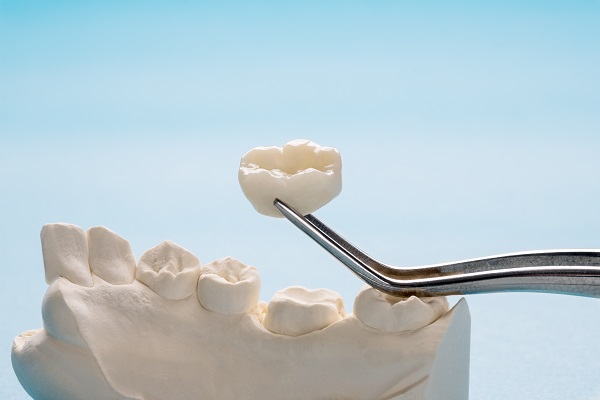
Dental crown lengthening is a procedure that aims to contour gum tissue at the base of a tooth. Oftentimes, the goal is to perform this procedure to make one's smile appear straighter, thus solving cosmetic imperfections. In other cases, dental crown lengthening is done in order to secure the base of a dental crown that was placed to restore a tooth that was in bad shape. Continue reading to learn more about the procedure.
An overview of dental crown lengthening
Below is an overview of what is involved in a dental crown lengthening procedure. Reviewing this information allows for a thorough understanding of what to expect. This eliminates any surprises from arising later on.
The procedure
Outlined below are the steps of a dental crown lengthening procedure:
- To start the procedure, an anesthetic is administered. In some cases, a pain reliever is also given ahead of time to ensure that there is little to no discomfort felt
- A dental instrument such as a scalpel is typically used to remove the excess gum tissue at the base of the teeth. Some periodontists are utilizing dental lasers, which can also be used to remove the tissue
- The wound is thoroughly cleaned to ensure that an infection does not form. A dressing might be applied to allow for healing and protection
- The periodontist may provide an antibiotic and pain reliever to help with the healing process
The steps for dental crown lengthening may vary depending on each specific patient. However, what is provided above can generally be expected from the procedure.
What to know before your procedure
There are a few important things to know before undergoing a crown lengthening procedure. Having an understanding of the following information is a good idea in order to know what to expect:
- Crown lengthening procedures are typically done in out-patient oral surgery facilities
- The procedure can usually be completed within an hour, pending there are no complications
- This procedure is considered surgical, which means that sedation may be administered in addition to the local anesthetic
- After the dental crown lengthening procedure is complete, there is usually some slight discomfort
- Full recovery tends to take up to a month or more, depending on the severity of the original gum tissue
These details about the procedure are not meant to cause anxiety in patients, but rather help prepare properly. Of course, the periodontist may offer additional information that is specific to the patient.
Ready to schedule your appointment?
When curious about dental crown lengthening and what is involved, it is best to consult directly with a periodontist. A thorough evaluation can be done to determine what type of action is necessary. In the event that this procedure is required, the periodontist will go over all of the details in depth. Additionally, patients can ask questions and go over any existing concerns that they have. To find out more or to get scheduled for an appointment, contact us today.
Request an appointment here: https://berkeleyperionj.com or call Berkeley Periodontics and Dental Implants at (908) 491-3201 for an appointment in our Berkeley Heights office.
Check out what others are saying about our dental services on Yelp: Dental Crowns and Dental Bridges in Berkeley Heights, NJ.
Related Posts
Curious about periodontal treatments that also have cosmetic benefits? Read on to learn more. Gum tissue protects teeth, but it also serves the purpose of giving the smile a natural and healthy appearance. If your gum tissue has been affected by gum disease, a periodontist may recommend cosmetic periodontal procedures to restore the smile's appearance…
Receding gums is a condition that exposes more of the teeth or the root of the teeth. When this happens, gaps are formed between the teeth and the gumline. Bacteria can quickly build up there and lead to several periodontal diseases. Therefore, it would be best to visit a periodontist immediately when you notice the…
Periodontal disease, commonly known as gum disease, is an infection of the gum tissues that leads to inflammation and damage. Left untreated, periodontal disease eats away at the bone and tissue structures that support your teeth. It occurs in two main stages: gingivitis and periodontitis.Gingivitis is characterized by inflammation and receding gums. The infection can…
Your periodontist can tackle your periodontal disease by using a laser treatment. This innovative method is less invasive than traditional surgery. Its common target areas are the gums and other soft oral tissues. In some cases, they can also treat hard tissue like teeth. If you want to know more about laser periodontal treatment, here…