How Deep Teeth Cleaning Can Help Reverse Gingivitis
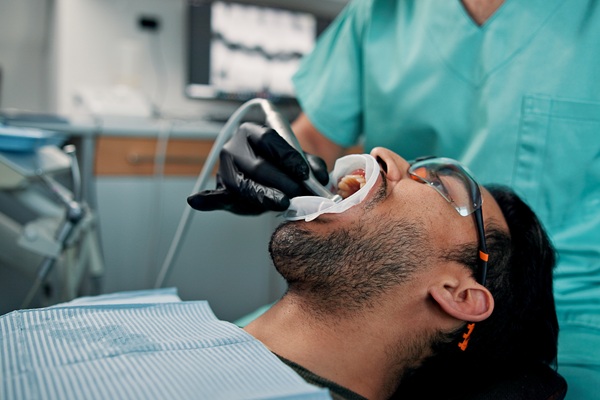
Gingivitis develops when plaque and tartar accumulate beneath the gumline, triggering inflammation that routine brushing and flossing alone cannot resolve. Fortunately, a deep teeth cleaning from a periodontist can control gum disease and even reverse gingivitis. This professional procedure addresses the underlying bacteria that cause gum irritation rather than only surface-level symptoms. When performed at the appropriate stage, deep teeth cleaning supports healing and helps restore gum tissue to a healthier state.
Gingivitis: What it is and what causes it
Gingivitis is a common form of periodontal (gum) disease. It causes irritation, redness, and bleeding around the gingiva, the tissue around the base of the teeth. While this condition does not cause gum or bone loss, it can lead to a more serious form of gum disease, periodontitis, which can cause loose or lost teeth.
The most common cause of gingivitis is poor oral hygiene. Not brushing or flossing allows plaque to build up on the teeth, leading to inflammation of the surrounding gum tissue. Over time, plaque can turn into tartar under the gumline, offering a protective shield for bacteria and irritating the tissue. The longer that the plaque and tartar remain on the teeth, the more they irritate the gingiva, leading to swollen gum tissue and bleeding.
How deep teeth cleaning reverses gingivitis
Deep teeth cleaning, also known as scaling and root planing, is a procedure where the periodontist removes plaque and tartar from beneath the gum line. During the treatment, the specialist scales the teeth to remove hardened bacteria above the gumline. Meanwhile, root planing smooths the roots and removes the plaque and tartar below the gumline.
By removing plaque and tartar from periodontal pockets, the procedure reduces bacterial load and disrupts the cycle of infection. As the gums heal, swelling and bleeding typically decrease, and pocket depths may become shallower. In many cases, deep teeth cleaning allows gum tissue to return to a healthier state without the need for surgical intervention, reversing the effects of gingivitis before it progresses to periodontitis.
Long-term benefits for gum health
In addition to reversing gingivitis, deep teeth cleaning supports long-term oral health by creating a cleaner oral environment that discourages harmful bacteria. Healthier gums contribute to stronger tooth support and reduced risk of future periodontal disease. When combined with consistent oral hygiene practices and regular professional dental cleanings, the patients can maintain the results of deep teeth cleaning over time. Preventive treatment remains an important part in preserving gum health and preventing more complex dental complications.
Address gum disease while you can
Gingivitis does not have to lead to permanent damage. When you work with a periodontist to address it as soon as possible, you can fight the bacteria beneath the gumline rather than just surface-level symptoms. Deep teeth cleanings support your healing and restore your gum tissue to a healthier condition. Call our Berkeley Heights office to learn more about this procedure or to schedule an appointment.
Request an appointment here: https://berkeleyperionj.com or call Berkeley Periodontics and Dental Implants at (908) 491-3201 for an appointment in our Berkeley Heights office.
Check out what others are saying about our dental services on Yelp: Deep Teeth Cleaning in Berkeley Heights, NJ.
Related Posts
The success of gum disease treatment depends on both the right professional care and good habits at home. While a periodontist can remove the deep-seated bacteria and tartar that have built up over time, the gums need a clean environment to heal properly. With a solid routine and good habits, treatment is more likely to…
Curious about periodontal treatments that also have cosmetic benefits? Read on to learn more. Gum tissue protects teeth, but it also serves the purpose of giving the smile a natural and healthy appearance. If your gum tissue has been affected by gum disease, a periodontist may recommend cosmetic periodontal procedures to restore the smile's appearance…
Receding gums is a condition that exposes more of the teeth or the root of the teeth. When this happens, gaps are formed between the teeth and the gumline. Bacteria can quickly build up there and lead to several periodontal diseases. Therefore, it would be best to visit a periodontist immediately when you notice the…
Periodontal disease, commonly known as gum disease, is an infection of the gum tissues that leads to inflammation and damage. Left untreated, periodontal disease eats away at the bone and tissue structures that support your teeth. It occurs in two main stages: gingivitis and periodontitis.Gingivitis is characterized by inflammation and receding gums. The infection can…